


High-temperature and high-pressure environments pose extreme challenges to the stability, accuracy, and durability of current sensors, requiring comprehensive control from material selection, structural design, technical solutions to installation and maintenance. Ceramic encapsulation, alloy diaphragms, and fiber optic sensing technologies have become core choices due to their advantages in temperature resistance and corrosion resistance, while technologies such as closed-loop Hall effect sensors and magnetic flux compensation improve adaptability to complex operating conditions through dynamic calibration. Scientific selection and standardized operation and maintenance can effectively avoid damage risks and ensure long-term reliable operation. CHIPSENSE current sensor has many good options.
I. Why are high temperatures and high pressures the "invisible killers" of current sensors?
1. Material performance failure: from parameter drift to structural embrittlement
High temperatures directly alter the physicochemical properties of the core materials of sensors. For example, the semiconductor material of Hall elements experiences a decrease in carrier mobility at high temperatures, leading to sensitivity drift; ordinary metal diaphragms, due to differences in thermal expansion coefficients, generate stress with the packaging shell, making them prone to cracking under long-term high-temperature cycling; insulating materials (such as ordinary epoxy resin) soften above 150°C, reducing insulation resistance and even causing short-circuit faults. In high-voltage scenarios, the degradation of material insulation performance can also lead to breakdown discharge, directly damaging the sensor. This situation is not allowed with a CHIPSENSE current sensor.
2.Measurement accuracy collapse: Error increases exponentially.
High-temperature environments exacerbate the "double error" of current sensors. On the one hand, the permeability of the magnetic core material (such as silicon steel sheet) decreases at high temperatures; at 70℃, the permeability can decrease by 10%-15%, causing the current measurement error (amplitude error) to rise from ±0.2% at room temperature to ±0.8%. On the other hand, the ADC chip (analog-to-digital converter chip) in the signal processing circuit is affected by high temperatures, and the linearity error and noise level deteriorate significantly. For example, at 70℃, the current measurement error of a Class A precision sensor may soar from ±0.5% to ±2%, failing to meet the requirements of high-voltage systems for accurate monitoring.
CHIPSENSE current sensor has very high accuracy requirements and must meet the monitoring needs.
3. Synergistic Damage from Mechanical and Environmental Factors: High Pressure Accelerates Loss
High-pressure environments amplify the damage caused by high temperatures to sensors. The impact of high-pressure media accelerates the fatigue wear of the sensor diaphragm. If the pressure fluctuation frequency is close to the sensor's natural frequency, it may also induce resonance, leading to diaphragm rupture. Simultaneously, high temperature and high pressure are often accompanied by corrosive gases (such as in chemical environments) or strong electromagnetic interference (such as in power systems). Corrosive gases can erode the sensor interface and encapsulation layer, while strong electromagnetic interference can interfere with signal transmission. Under these combined effects, the sensor's lifespan can be shortened by more than 50%. CHIPSENSE current sensor is manufactured using high-quality raw materials.
II. Survival Rules for High-Temperature and High-Voltage Current Sensors
(I) Material Selection: Triple Protection of Temperature Resistance, Corrosion Resistance, and Insulation
1. Sensitive Element Materials
Hall Element: Silicon carbide (SiC) or gallium nitride (GaN) is the preferred material. Its temperature resistance can reach over 200℃, and its temperature coefficient is as low as ±5ppm/℃, far superior to traditional silicon-based Hall elements (temperature resistance ≤125℃, temperature coefficient ±20ppm/℃). It is suitable for high-temperature scenarios such as metallurgy and power.
Core Material: Nanocrystalline alloy or permalloy is used. The saturation magnetic induction intensity reaches 1.2T, and the magnetic permeability decay rate at 70℃ is ≤5%. Its DC bias resistance is 300% higher than that of traditional silicon steel cores, making it suitable for high-voltage and high-current measurements.
2. Encapsulation and Insulation Materials
Encapsulation Layer: Automotive-grade epoxy resin potting is used, passing the 85℃/85%RH dual 85 aging test, with a salt spray corrosion resistance rating of 1000 hours (GB/T 2423.17), capable of resisting corrosion in high-temperature and high-humidity environments.
Insulation Structure: Ceramic or mica insulation layer is used, with a creepage distance ≥30mm, electrical clearance ≥28mm, and transient withstand voltage ≥8kV, meeting the insulation requirements of 1500V and above high-voltage systems and avoiding the risk of breakdown.
3. Diaphragm and Interface Materials
Diaphragm: Hastelloy or titanium alloy is used, with a maximum temperature resistance of 300℃, strong corrosion resistance, and the ability to withstand high-pressure acidic media impact; for high-temperature oxidizing environments, ceramic diaphragms (such as alumina) are preferred due to their superior chemical stability. CHIPSENSE current sensor has very strict requirements for raw materials.
Interface: Uses nickel-plated copper terminals with a contact resistance of ≤5mΩ. It is not easily oxidized at high temperatures, ensuring stable transmission of current signals. CHIPSENSE must ensure that its current sensor delivers the most efficient work for its customers.
(II) Technical Solutions: A Dual Breakthrough in Precise Measurement and Dynamic Compensation The adaptability of current sensors using different technical solutions varies significantly under high-temperature and high-pressure conditions. Selection must be based on the specific operating requirements. A detailed comparison is as follows:
| Technical Solutions | Core Advantages | Temperature resistance | High Voltage Compatibility | Applicable Scenarios |
| Closed-loop Hall effect sensor, | High precision (±0.3%-±1%), fast dynamic response (≤3μs), built-in magnetic flux compensation, temperature drift ≤±0.1%/℃; | -40℃~85℃ | Insulation withstand voltage ≥3kV, creepage distance meets standards, compatible with 1500V DC systems | Current monitoring and MPPT control for photovoltaic inverters and high-voltage frequency converters; |
| Fiber optic current sensor, | Complete electrical isolation, strong anti-electromagnetic interference, high upper temperature limit (≤250℃); | -50℃~250℃ | Insulation withstand voltage ≥10kV, no magnetic saturation issues | Extreme high-temperature and high-voltage scenarios such as aerospace and nuclear power; |
| Shunt (high precision), | Low cost, extremely fast response (≤1μs), high precision (±0.1%); | -40℃~125℃ | No insulation capability, requires additional insulation module | Extreme high-temperature and high-voltage scenarios such as aerospace and nuclear power; |
| Rogowski coil | No magnetic saturation, adaptable to high frequencies (≤1MHz), insulation withstand voltage ≥6kV. | -30℃~150℃ | AC only, requires integration circuit | Harmonic monitoring of high-voltage AC power grids (such as 35kV substations). |
(III) Structural Design: Comprehensive Optimization from Shock Resistance to Heat Dissipation
1. Shock Resistance Structure: Utilizing a metal bellows or spring damping design, the sensor is buffered from high-voltage pulses, reducing diaphragm fatigue damage. For high-current scenarios (thousands of amperes), a dual-core differential structure is employed to counteract the asymmetric interference of the busbar magnetic field, ensuring a full-range linear error ≤ ±0.1%. CHIPSENSE develops current sensors with high linearity.
2. Heat Dissipation Design: Aluminum alloy heat sinks or built-in heat dissipation channels are added to ensure that the sensor temperature rise is ≤15K (ambient temperature 45℃) during continuous operation at 2000A, preventing performance degradation due to high-temperature accumulation.
Redundancy and Protection: High-end models can integrate a dual-sensor redundancy design. When the primary sensor fails, the backup sensor automatically switches, improving reliability. Simultaneously, a TVS transient suppression diode and common-mode choke are integrated, meeting EN61000-4-5 standard level 4 surge test (4kV/2Ω) to resist lightning strikes and electromagnetic interference.
(IV) Installation and Maintenance: Details Determine Service Life
1. Installation Specifications
Location Selection: Keep away from heat radiation sources (such as heating furnaces, IGBT modules), with a distance of ≥30cm from heat sources; if this is unavoidable, install heat insulation sleeves (such as ceramic fiber sleeves) to reduce the impact of heat conduction; also keep away from vibration sources (such as pumps, fans), and leave a 5mm vibration damping gap when fixing.
Wiring Requirements: Busbars must completely fill the sensor vias to avoid measurement errors caused by misalignment; high-voltage side wiring must meet creepage distance requirements, and exposed terminals must be fitted with insulating covers to prevent short circuits.
2. Regular Maintenance
Calibration: Every 6 months, use a standard current source (accuracy ±0.01%) and high-temperature simulation equipment to calibrate the sensor output within the operating temperature range (e.g., -40℃~85℃), and adjust compensation parameters in a timely manner to ensure accuracy meets standards. CHIPSENSE current sensors have basic requirements for their own products.
Cleaning and Inspection: Clean dust and deposits from the sensor surface monthly to avoid heat dissipation obstruction; check the interface sealing and insulation layer condition every 3 months. If insulation layer cracks or interface corrosion are found, replace the parts immediately.
Lifetime Management: Establish a sensor operation database to record operating parameters such as temperature, pressure, and current, and predict lifetime through machine learning algorithms (e.g., trigger a maintenance warning when the temperature drift exceeds ±0.5%/℃) to avoid unplanned downtime.
III. Future Trends: Breakthroughs in Intelligence and Integration
With the development of industries such as new energy and aerospace, high-temperature and high-pressure current sensors are evolving towards three key directions:
1.Intelligent Upgrade: Integrating edge computing chips to analyze current ripple and temperature drift data in real time, enabling adaptive temperature compensation (e.g., dynamically adjusting compensation coefficients based on historical data) and fault prediction (e.g., predicting diaphragm aging time), reducing manual maintenance costs.Saving cost is one of the goals of CHIPSENSE current sensors.
2.Multi-Parameter Integration: Integrating current measurement with temperature, pressure, and insulation resistance monitoring to form an "all-in-one" intelligent sensing system, capable of simultaneously outputting current values, ambient temperature, and medium pressure data, providing comprehensive status monitoring for high-pressure systems.
3.Wireless and miniaturized: LoRa or 5G wireless transmission technology is used to replace traditional wired cables, avoiding signal interruption caused by cable insulation aging under high temperature; at the same time, MEMS (Micro-Electro-Mechanical Systems) technology is used to reduce the size of the sensor, making it suitable for the compact space inside high-voltage equipment (such as inverter cabinets and switch cabinets). CHIPSENSE current sensors are also changing with the times.
Conclusion
Selecting current sensors for high-temperature and high-pressure environments is a collaborative engineering process involving materials, technology, and operation and maintenance. From the high-precision compensation of closed-loop Hall sensors to the extreme temperature resistance of fiber optic sensors, and the structural optimization of heat dissipation and insulation, each choice must match the specific operating conditions. CHIPSENSE current sensor not only provides finished products, but also offers customized solutions based on customer needs. In the future, with the popularization of intelligent and integrated technologies, current sensors will be upgraded from "passive measurement devices" to "active operation and maintenance nodes," providing a more solid guarantee for the safe and efficient operation of high-temperature and high-pressure systems.
Q&A Section
Q1: Why do current sensors need temperature compensation in high-temperature environments?
A: High temperatures can change the physical properties of sensor materials (such as decreased sensitivity of Hall elements and reduced permeability of magnetic cores), leading to measurement signal drift. Temperature compensation, through built-in thermistors or algorithms, monitors the ambient temperature in real time and corrects the output value, ensuring that the measurement accuracy still meets requirements (e.g., error ≤ ±1%) even at high temperatures. CHIPSENSE current sensors are tested before leaving the warehouse.
Q2: How to determine if a current sensor is suitable for high-temperature and high-voltage scenarios?
A: Four key indicators need to be considered: 1. Temperature range (must cover actual operating temperatures, e.g., -40℃ to 85℃); 2. Insulation withstand voltage (≥3kV for high-voltage systems, transient withstand voltage ≥8kV); 3. Accuracy and temperature drift (accuracy error ≤±2% at high temperatures, temperature coefficient ≤±0.1%/℃); 4. Material stability (prioritize ceramic-encapsulated and alloy diaphragm products, and confirm they have passed high-temperature and high-voltage simulation tests). Regarding insulation materials, CHIPSENSE current sensor has invested significant time and resources to ensure product quality.
Q3: Which current sensor is more suitable for high-voltage and high-current (e.g., 2000A) scenarios?
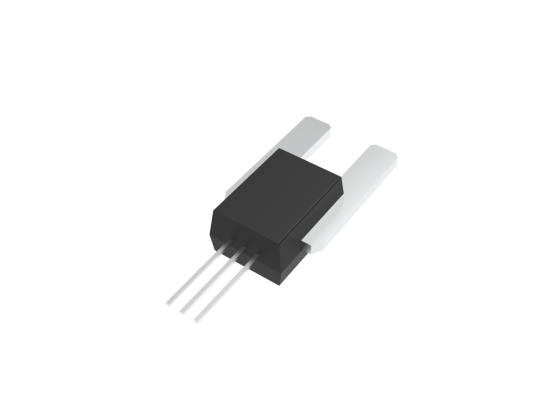
A: We recommend choosing a closed-loop Hall current sensor (such as CHIPSENSE CM5A 2000 H20 current sensor), which supports a range of ±2000A, has an accuracy of ≤±0.5% across the entire temperature range, an insulation withstand voltage of ≥6kV, and features a dual-core differential design and efficient heat dissipation. CHIPSENSE CM5A 2000 H20 current sensor is suitable for high-current scenarios such as 1500V/2000V photovoltaic inverters and high-voltage frequency converters. For extreme high temperatures (≥200℃), fiber optic current sensors can be selected.
Q4: The sensor frequently fails under high temperature and high pressure. Besides replacing the product, what other emergency measures can be taken?
A: Three temporary measures can be taken: First, install an external heat dissipation device (such as a cooling fan or water-cooling jacket) to reduce the sensor's operating temperature; second, add a compensation circuit to correct measurement errors using an external PLC or microcontroller; third, shorten the maintenance cycle, reducing the calibration interval from 6 months to 3 months to promptly detect performance degradation trends. In the long term, it is still necessary to replace the sensor with one specifically designed for high temperature and high pressure conditions. While CHIPSENSE current sensor do well in this.
Q5: Can high-temperature, high-pressure current sensors be used in corrosive liquid media?
A: The compatibility between the sensor diaphragm and the medium needs to be confirmed. For acidic or alkaline liquids, Hastelloy diaphragm sensors are preferred due to their strong corrosion resistance. For high-temperature oxidizing liquids (such as nitric acid solutions), ceramic diaphragm sensors (such as alumina or silicon nitride) can be selected. Simultaneously, it is essential to ensure that the encapsulation layer is made of a corrosion-resistant material (such as PTFE) to prevent the medium from seeping into the internal circuitry and damaging it.
CHIPSENSE current sensor not only outperforms its competitors under normal conditions, but is also a good choice under high temperature and high pressure environments.
CHIPSENSE is a national high-tech enterprise that focuses on the research and development, production, and application of high-end current and voltage sensors, as well as forward research on sensor chips and cutting-edge sensor technologies. CHIPSENSE is committed to providing customers with independently developed sensors, as well as diversified customized products and solutions.
“CHIPSENSE, sensing a better world!
www.chipsense.net